
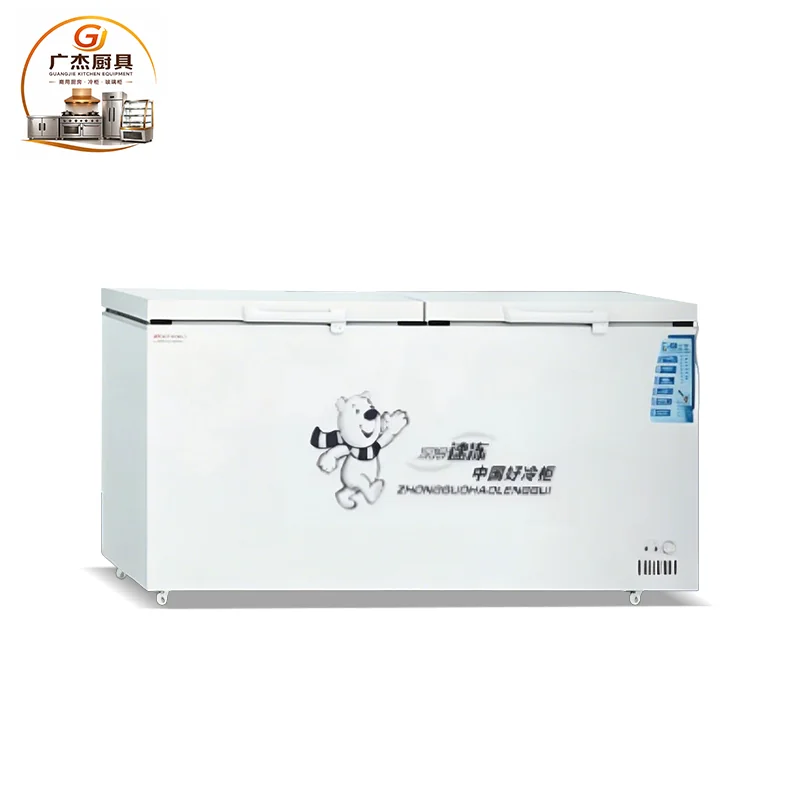
Commercial Chest Freezer for Food Storage
Chest freezer for supermarkets, convenience stores, restaurants, fresh food shops and commercial kitchens. Available configurations include fresh-keeping, freezing and dual-temperature modes for different storage needs.
Storage Modes and Commercial Uses
Product gallery
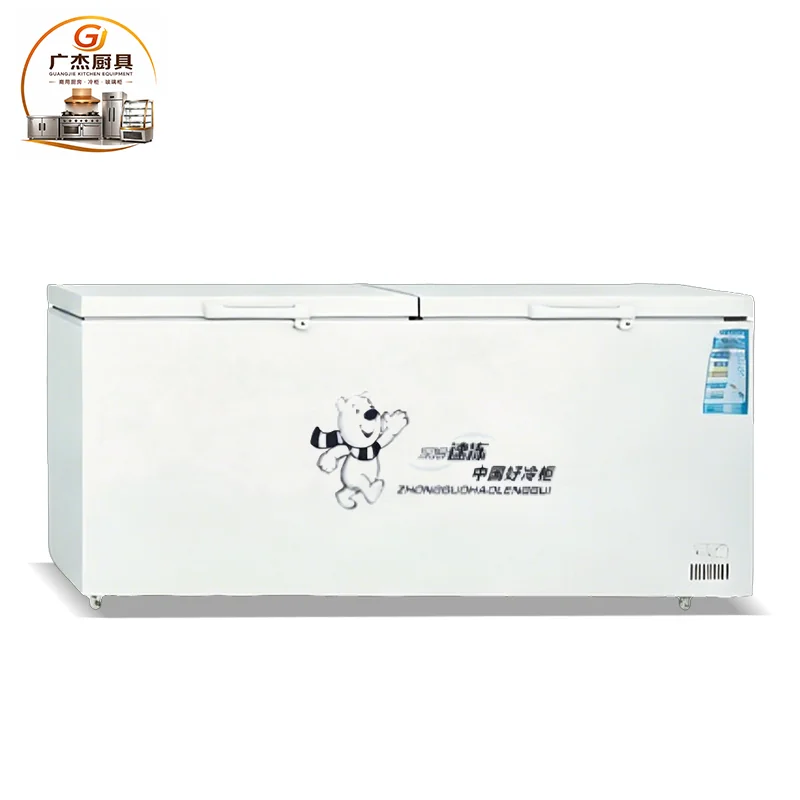
Confirm these details for quotation
How to choose a commercial chest freezer
A commercial chest freezer can support bulk storage in supermarkets, convenience stores, food shops and restaurant kitchens. Start by listing the products you plan to store and how staff will retrieve them. Chest access works well when products can be organized in baskets or separated by category, but the team should be able to reach frequently used items without moving a large amount of stock.
Fresh-keeping, frozen and dual-temperature configurations serve different inventory needs. Match the requested mode to the actual products and handling process, then confirm the operating range and control method for the selected model with the supplier.
Estimate the normal stock level and the busiest replenishment period. Check the usable interior dimensions as well as the stated capacity, and ask whether baskets or dividers are available. A clear storage plan makes it easier to separate product groups and rotate stock.
Measure the doorway and the final placement area. Allow room to open the lid fully, load products safely and service the unit. Confirm the required electrical supply, ventilation clearances and surrounding ambient conditions for the chosen configuration.
Information to include in a quotation request
Send the product categories, preferred temperature mode, approximate storage volume, available floor dimensions, destination and electrical details. If the freezer will be used in a customer area, mention visibility and access needs; for back-of-house use, explain loading frequency and stock rotation. These details help the supplier recommend a suitable size and configuration.
Before ordering, confirm the final external and internal dimensions, rated power, temperature specifications, included accessories, warranty terms and delivery access in writing. Model specifications can vary, so use the confirmed technical sheet for the exact unit being quoted.
Plan for daily operation
Decide where incoming goods will be checked and how stored products will be labeled. Keep frequently accessed items within easy reach, leave a safe path for loading and cleaning, and follow the food handling procedures used by your business. Ask the supplier which maintenance tasks are recommended and how often the condenser area, seals and interior should be inspected for the selected model.
During commissioning, record the approved temperature setting and share the user instructions with staff. A consistent checking routine helps teams notice operating changes early and arrange service before a small issue affects stock.
Commercial chest freezer questions
Some configurations offer fresh-keeping, freezing or dual-temperature modes. Confirm the temperature range and intended use for the exact model; do not assume one setting is suitable for every product.
Measure the installation footprint, access route and lid-opening clearance. Also check the internal dimensions against the packages or baskets you intend to store.
Share the required mode, product types, capacity estimate, destination, placement dimensions and electrical requirements. The supplier can then confirm a model-specific specification and delivery plan.