
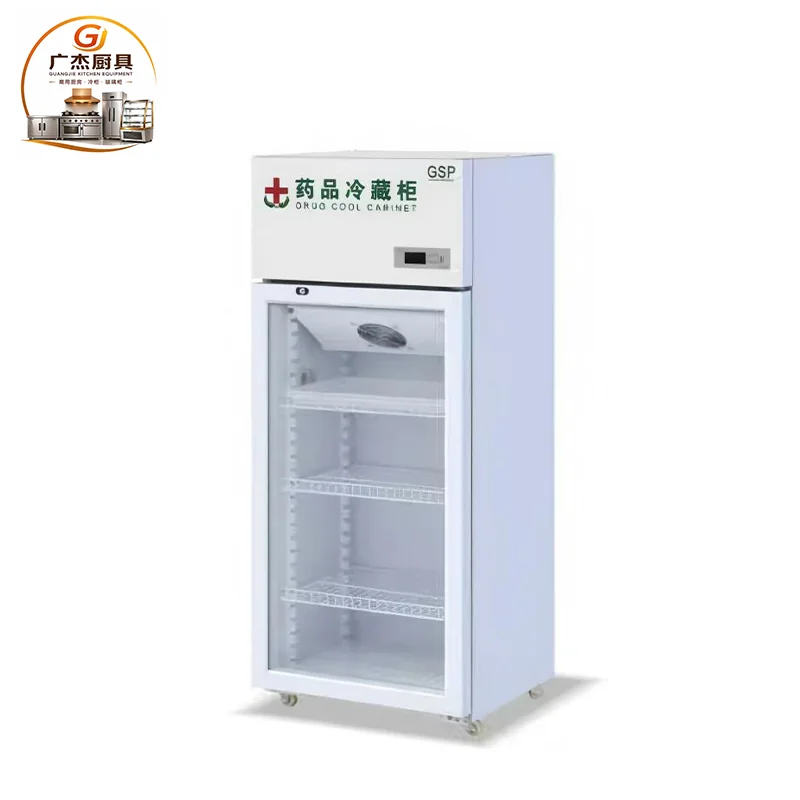
Commercial Pharmaceutical Cool Cabinet
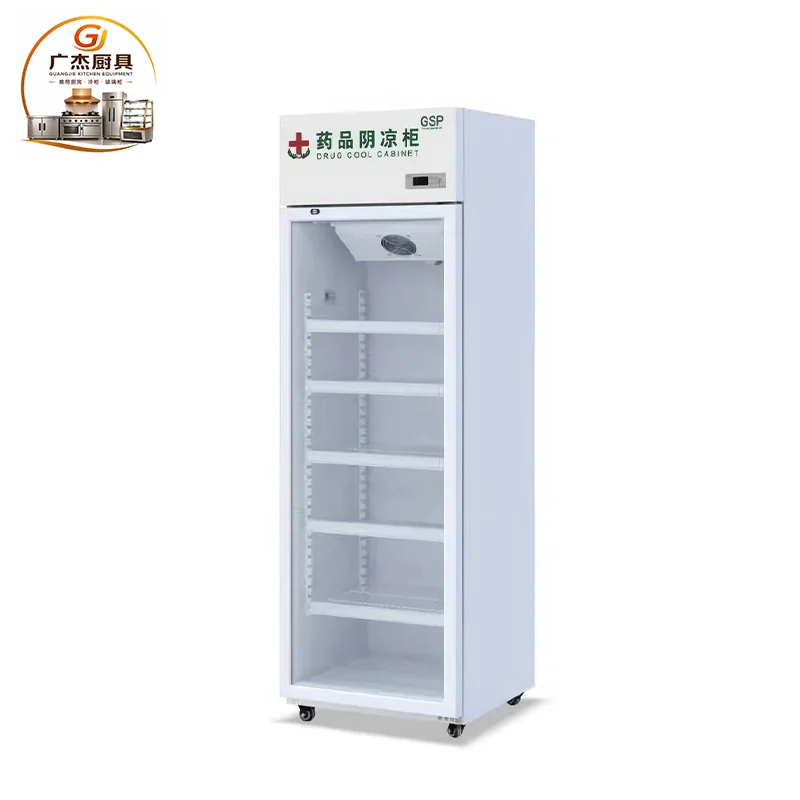
Glass-door cabinet for pharmacies, clinics, hospitals, laboratories and other medical storage areas. It offers adjustable shelves and multiple capacity options. Confirm the required temperature range, monitoring and validation requirements for the intended products before selecting a model.
Storage Features and Configuration
For pharmacies, clinics, hospitals, laboratories and medical storage areas.
Adjustable shelves support an interior layout suited to the stored products.
Choose from multiple capacity options and confirm the exact model for the required storage volume.
Product gallery
Confirm these details for quotation
Required temperature range and permitted variation
Monitoring, alarm or validation requirements, if applicable
Capacity, destination, electrical details and delivery timing
How to evaluate a pharmaceutical cool cabinet
A pharmaceutical cool cabinet may be used for products that require controlled refrigerated storage, but requirements vary by product and operating procedure. Before selecting a cabinet, document the required temperature range, acceptable variation, monitoring frequency and any alarm or validation needs. Confirm in writing that the exact model and configuration can meet those requirements. Do not rely on a general product description as proof of regulatory suitability.
Use the product documentation and your organization’s procedures to establish the storage range and permitted variation. Ask the supplier for the confirmed operating range, temperature uniformity information and recommended ambient conditions for the exact unit. If temperature mapping, calibration or validation is required, confirm who will perform it and what documentation is provided.
Estimate the quantity and packaging dimensions of the items to be stored, including expected peak inventory. Adjustable shelves can help organize different packages, but confirm shelf spacing, usable internal dimensions and stated capacity. Plan a layout that keeps labels visible and allows staff to retrieve items without prolonged door opening.
List the monitoring, alarm, data logging or remote notification features required at your site. Confirm whether those features are included, optional or supplied by a separate system. Ask how readings are checked, what happens after a power interruption and which operating events should trigger escalation under your local procedure.
Plan the installation and operating workflow
Measure the placement area, doorways and delivery route. Confirm the electrical supply, ventilation clearance, service access and expected room conditions for the model. Decide who will receive the cabinet, inspect it after delivery and verify it before placing products inside. If the cabinet is part of a controlled storage process, coordinate installation and verification with the responsible facilities or quality team.
Before ordering, request the model-specific drawing, technical sheet, user manual and written confirmation of the temperature and monitoring features. Review capacity, dimensions, power, included accessories, warranty, service arrangements and delivery terms. Confirm whether installation, calibration, mapping or commissioning is included; these tasks may require separate qualified providers.
Establish clear storage procedures
Document the approved set point, routine checks, record keeping, cleaning schedule and escalation steps before the cabinet enters service. Train authorized staff to read the controls, respond to alarms and report unusual readings. Use a separate monitoring device or backup process if your organization requires one, and confirm its suitability with the responsible team.
Plan for temporary storage if the cabinet needs maintenance or loses power. The appropriate response depends on the stored products and your organization’s procedures, so agree on the process with the responsible pharmacy, laboratory or quality personnel before an incident occurs.
Pharmaceutical cool cabinet questions
Requirements depend on the product, location and applicable procedures. Ask the supplier for documentation for the exact model, then have the responsible compliance or quality team review it.
Share the required temperature range, monitoring and alarm needs, expected inventory, package sizes, room conditions, electrical supply and destination.
Do not assume they are included. Confirm scope, documentation and responsible providers in writing for the cabinet being quoted.